Coconut Charcoal Manufacturing and Charcoal Companies in Egypt: A Look at Selim Charcoal
Charcoal making is a long-established industry in Egypt, closely tied to everyday life: restaurants, home grilling and, at times, heating. As interest in more sustainable alternatives grows, coconut charcoal has emerged as a promising product, and Egyptian factories have started producing it. In this competitive landscape, Selim Charcoal stands out as one of the established names.

Coconut Charcoal: A High-Quality, Eco-Friendly Alternative
Coconut charcoal is made from coconut shells, once treated as agricultural waste, and is the best-suited charcoal for shisha (hookah). Several properties make this raw material an excellent base for charcoal:
1. Sustainable: made from renewable agricultural by-products, reducing pressure on the trees used for traditional charcoal (such as acacia, eucalyptus, orange and casuarina).
2. More efficient burn: its high density means it burns longer (up to 1.5 to 2 hours continuously) with higher, steadier heat than ordinary charcoal.
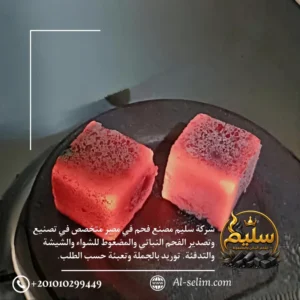
3. Little smoke, no sparks: it gives off no smoke when lit or while burning and does not spark, making it safer and more pleasant to use.
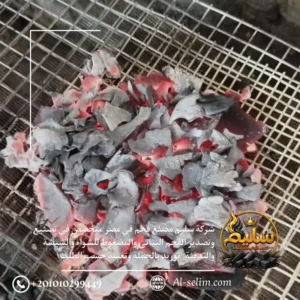
4. Low ash: it leaves far less ash than traditional charcoal, so cleanup is easier.
5. Neutral aroma: it adds no off-taste or odor to the shisha.
A number of Egyptian factories have recognized the value of this material and built dedicated lines to turn imported coconut shells (usually from Asian countries such as Sri Lanka, Indonesia, the Philippines and Vietnam) into high-quality charcoal. It serves growing local demand from upscale restaurants, specialist grill houses and households looking for quality and convenience.

Our shisha briquette options
| Option | Raw material | Shape | Sizes |
|---|---|---|---|
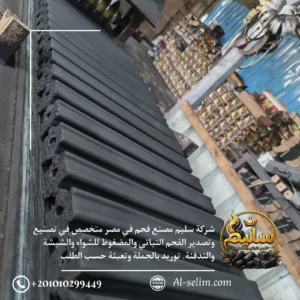
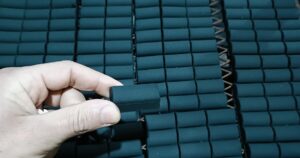
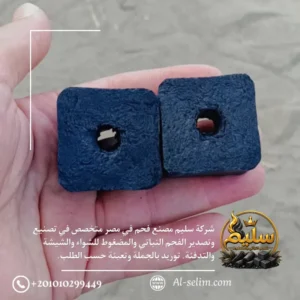
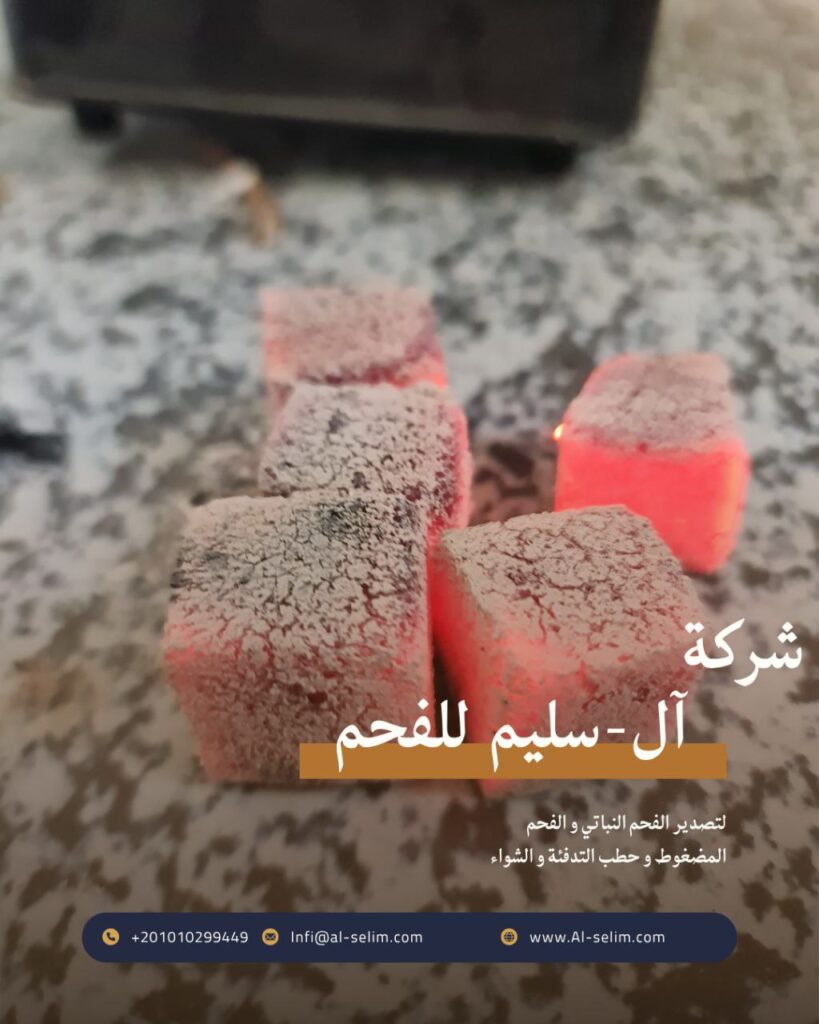
| Coconut cubes | Coconut shells | Cubes | Made to order |
The Charcoal Industry Landscape in Egypt
Egypt’s charcoal market is varied and active, with companies operating at different levels:
1. Traditional local producers: plants using local wood (such as mango and guava, or other farm by-products) or imported wood, producing traditional charcoal of varying quality.
2. Local coconut charcoal specialists: relatively new factories that focus on this technology and import raw shells to produce coconut charcoal to high standards, often for more demanding markets.
3. Importers: companies that import finished charcoal (traditional or coconut) from countries such as Indonesia. Today, Selim Charcoal offers a product on par with Indonesian coconut charcoal, giving importers an easier source both inside and outside Egypt.
Challenges facing the industry:
* Volatile raw material prices (imported coconut shells and wood).
* Strong competition from imports that are sometimes cheaper (though often lower in quality).
* Environmental pressure on traditional wood sources.
Selim Charcoal: Quality and Reliability in Egypt and Abroad
Within this landscape, Selim Charcoal has built a solid reputation as a trusted supplier, thanks to several key factors:
1. Focus on product quality: Selim is known for high-quality charcoal, whether traditional charcoal from selected hardwoods or coconut charcoal. Raw materials are chosen carefully and production follows strict standards, so the finished product burns well with high heat and little smoke.
2. A broad range: the company offers charcoal types to suit different needs and budgets, from high-grade traditional charcoal to premium coconut charcoal, as well as imported Talh (acacia) charcoal.
3. Reliable supply: an efficient logistics setup keeps products consistently available and orders delivered on time, which matters to importers, wholesalers and restaurants that use charcoal every day.
4. Trade reputation: years of hard work and consistent standards have made the Selim name synonymous with quality and trust among charcoal traders and leading grill restaurants.
5. Customer service: the company pays close attention to after-sales service and to each customer’s specific requirements.
6. Early focus on coconut charcoal: Selim was among the first in Egypt to recognize the value of coconut charcoal and to offer it at high quality, helping spread this more sustainable alternative.