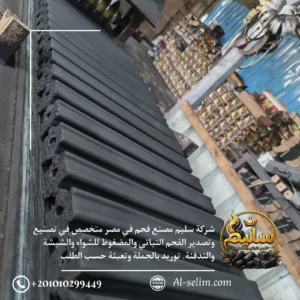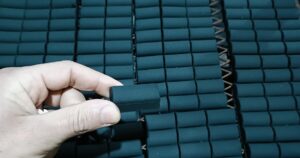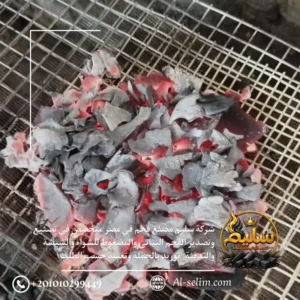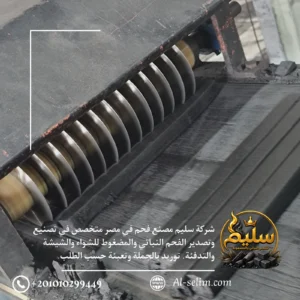
One bad charcoal shipment can cost an importer more than its price: customer complaints, returns and a reputation that takes months to repair. Knowing how to check charcoal quality before you buy is the most important skill for any wholesaler or distributor. This guide covers the practical tests you can run yourself and the lab specifications to request from your supplier, whether you buy hookah charcoal or BBQ charcoal.
- Start with a visual check, then a burn test on a real sample.
- Key indicators: moisture, ash content, fixed carbon, burn time and breakage.
- Ask for a certificate of analysis for the batch and compare it with your own test.
- A good sample is not enough: what matters is that the shipment matches the sample.
Why You Should Test Charcoal Quality Yourself
Every supplier describes their charcoal as “excellent”. The real difference only shows in testing: charcoal that burns too fast, gives off smoke and sparks, or arrives half broken. Systematic testing protects you from three problems:
Financial loss
Moisture and breakage mean you pay for weight you cannot use.
Customer complaints
Your end customer will notice the difference from the first use.
Inconsistent quality
Regular testing exposes suppliers whose shipments differ from their samples.
Step 1: Visual and Hands-On Checks
Before any instrument or lab, you can judge many charcoal properties with your eyes and hands:
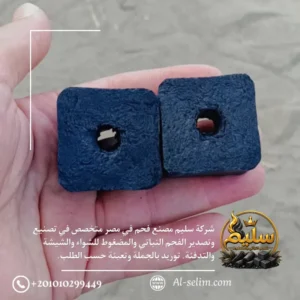
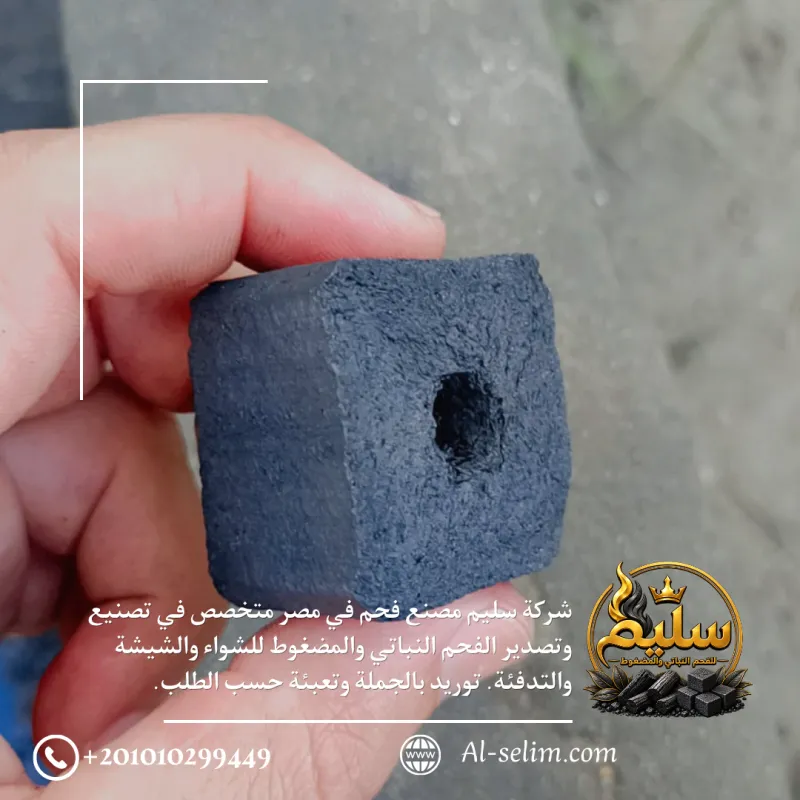
- Color: fully carbonized charcoal is an even black. Brown patches or visible wood point to incomplete carbonization.
- Sound: knock two pieces of lump charcoal together. Good charcoal gives a clear, almost metallic ring; a dull sound can indicate moisture.
- Break: snap a piece and look at the cross-section. It should be glossy black inside, not brown.
- Dust: open a bag or carton and look at the bottom. A lot of fines means paid-for waste.
- Feel and weight: very light pieces, or pieces that crumble easily between your fingers, are usually less dense and burn for less time.
- Smell: good charcoal is almost odorless. Any chemical or musty smell is a warning sign.
Step 2: The Practical Burn Test
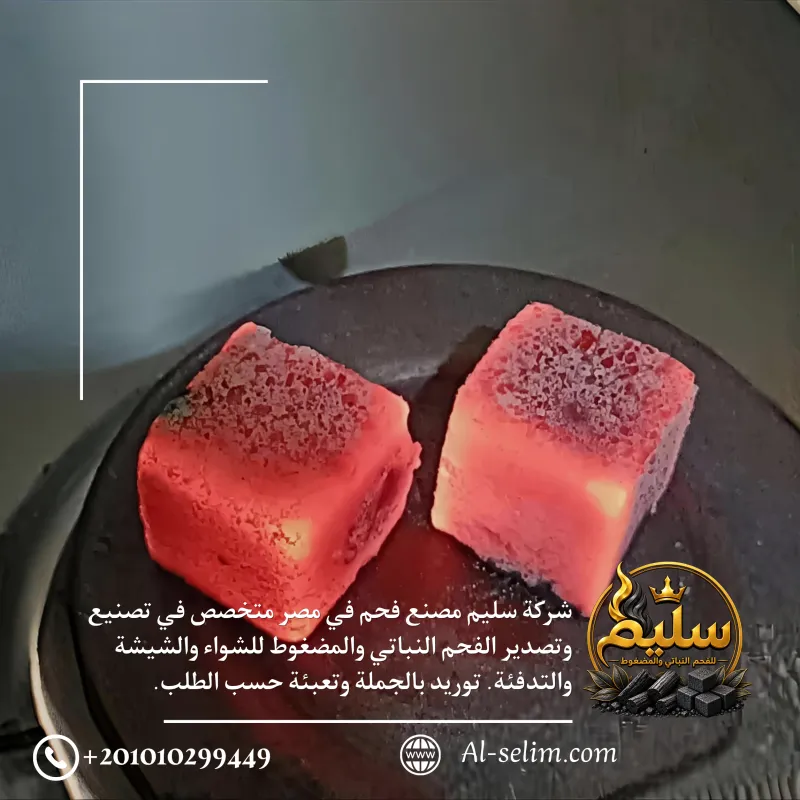
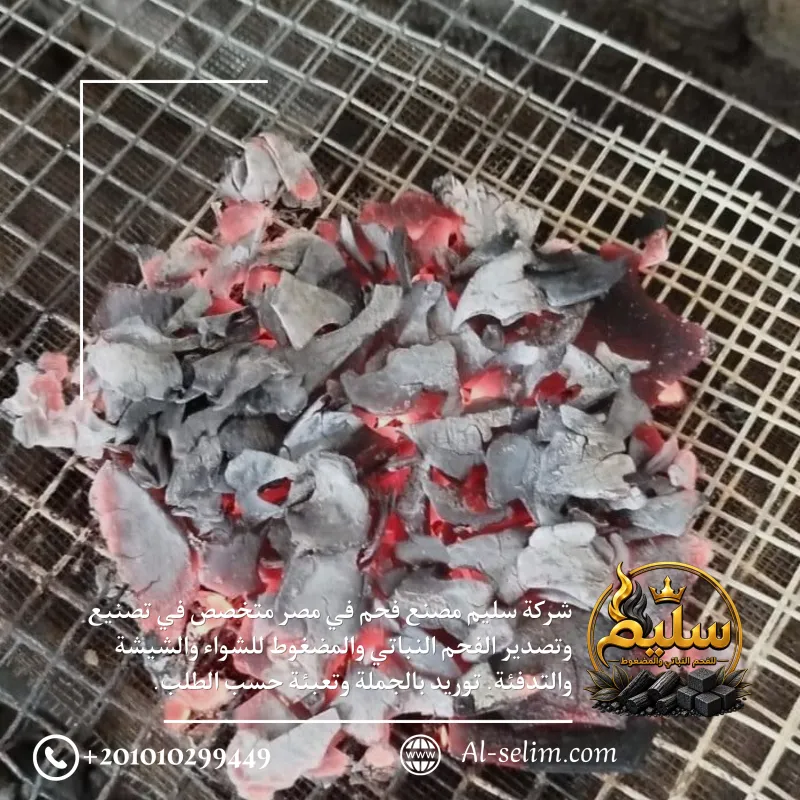
This is the most important test because it simulates real use. Take several random pieces from more than one bag and record the results:
| What to observe | Good result | Warning sign |
|---|---|---|
| Lighting time | Lights evenly within a reasonable time | Very hard to light, or keeps going out |
| Smoke | Light smoke that clears quickly | Persistent heavy smoke |
| Sparks and crackling | None or rare | Crackling and flying sparks |
| Heat consistency | Steady heat throughout the burn | High heat followed by a quick drop |
| Ash | Little ash, light in color | Lots of ash, or dark ash |
| Burn time | Matches the supplier’s stated time | Clearly shorter than stated |
Step 3: The Lab Specifications to Request
Professional importers do not rely on impressions alone; they ask for a certificate of analysis (COA) for the batch. These are the key indicators and what they mean for you:
| Indicator | What it measures | Why it matters |
|---|---|---|
| Moisture | The water content of the charcoal | High moisture means slower lighting, crackling and weight you pay for without benefit |
| Ash content | What remains after complete combustion | The lower it is, the cleaner the charcoal and the less cleaning during use |
| Fixed carbon | The part that actually produces heat | The higher it is, the hotter, longer and steadier the burn |
| Volatile matter | Gases released when heated | Higher levels mean more smoke and a stronger smell |
| Density and drop test | How hard the pieces are and how well they resist breaking | Shows how much will arrive broken after shipping and handling |
As a general guide, common benchmarks for premium coconut hookah charcoal are moisture of about 5% or less, ash around 2.5% and fixed carbon of 80% or more. These are general reference figures for comparison, not binding specifications; what matters is agreeing written specifications with your supplier that suit your market.
How to Check Hookah (Shisha) Charcoal Quality
Coconut hookah briquettes need specific checks, because smokers notice any flaw in taste immediately:
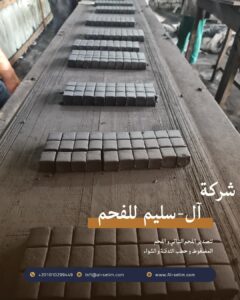
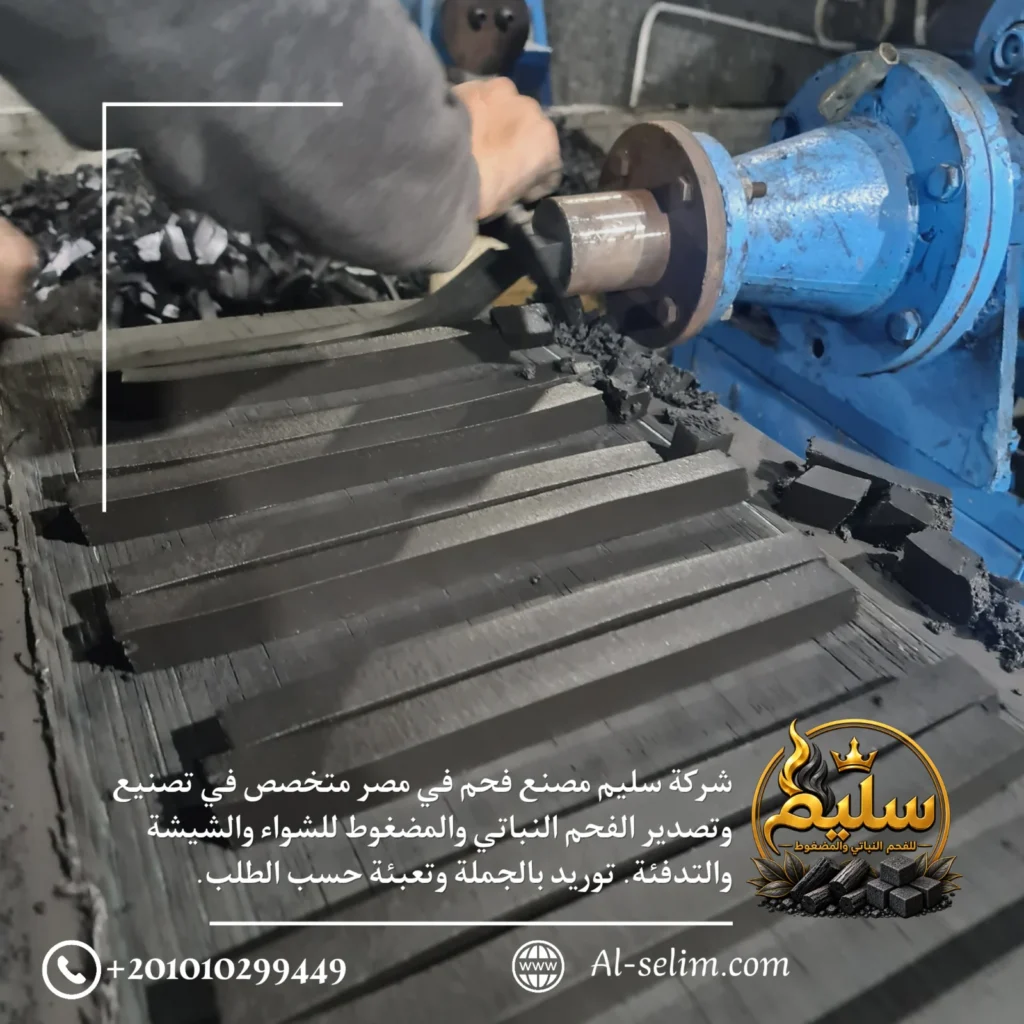
- Size accuracy: measure several cubes from different cartons. They should all match the agreed size, such as 22, 25, 26 or 27 mm.
- Edges and surface: sharp edges and a solid surface without cracks indicate good pressing.
- Taste and smell: good charcoal does not change the taste of the tobacco.
- Ash: light-colored ash that stays fairly intact and does not blow around the bowl.
- Duration: record how many minutes each piece gives useful heat during a session.
For more on sizes and production, read Coconut Briquette Charcoal: Specifications and Sizes, or visit our coconut hookah charcoal cubes page.
How to Check BBQ Charcoal Quality
- Lump charcoal: check that piece sizes are consistent, how much small pieces and dust there are, and whether there are uncarbonized bits, stones or other impurities.
- Briquettes: check that pieces are hard and uniform, and compare the actual burn time with the stated one. For example, hexagonal briquettes from the Selim factory burn for 5 to 6 hours.
- The right type: quality also depends on use. Read our guide to BBQ charcoal for restaurants to choose the right type for your business.
Final Step: Checking the Shipment and Packaging
Most importer complaints come not from the sample but from the shipment. So:
- Keep part of the approved sample to compare with the shipment when it arrives.
- Put the specifications in the contract: size, packaging type, weights and the agreed lab indicators.
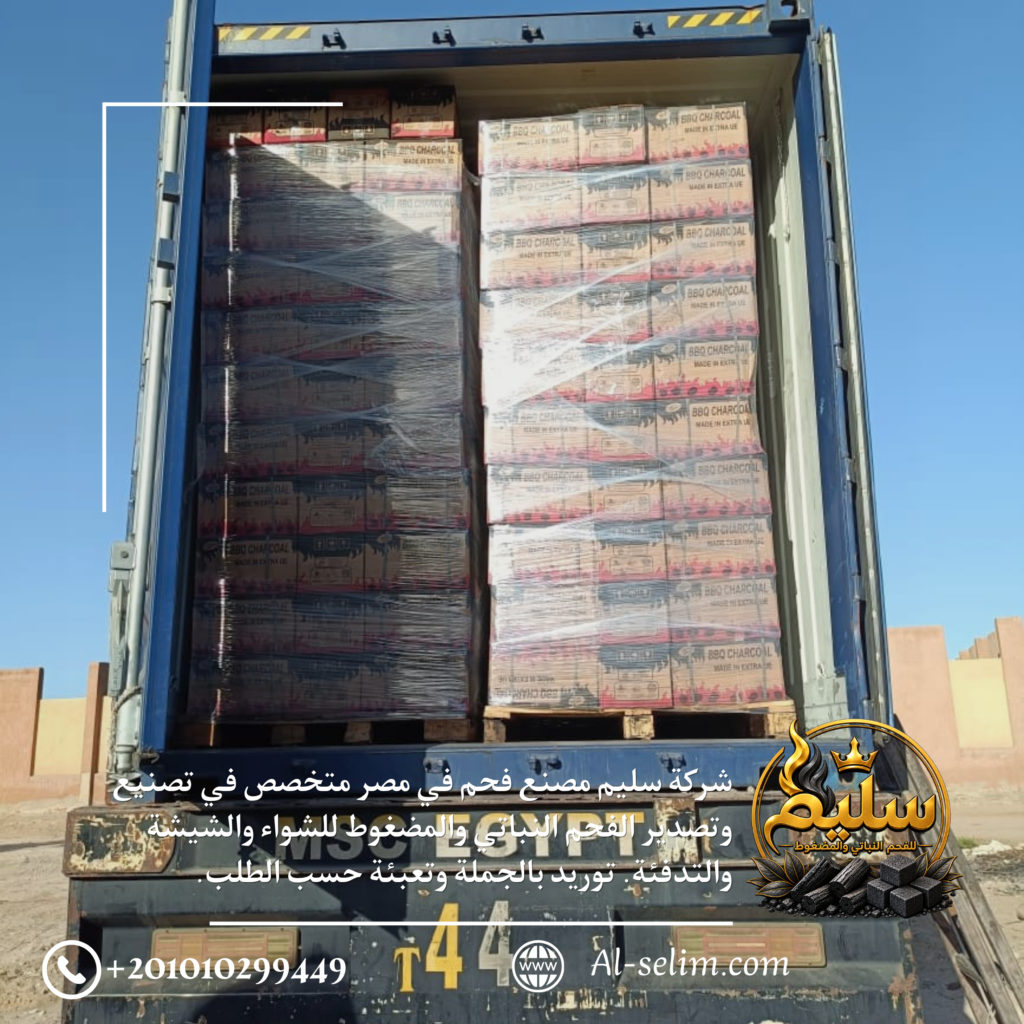
- Check the packaging: strong cartons and inner bags that keep out moisture, and weights that match the label.
- Ask for photos or video during loading, or an independent pre-shipment inspection for large orders.
- Test random samples on arrival from different parts of the container.
See our packaging options.
Quick Pre-Purchase Checklist
- Even black color, glossy inside when broken.
- Little dust and breakage at the bottom of the bag.
- Burns without heavy smoke, sparks or odd smells.
- Burn time matches the supplier’s claim.
- Little ash, light in color.
- A certificate of analysis for the batch with the key indicators.
- Specifications and packaging written into the contract.
Charcoal Quality Testing: FAQ
How can I tell good charcoal from bad?
Good charcoal is uniformly black, rings when two pieces are knocked together, burns without heavy smoke or sparks and leaves little ash. Poor charcoal is usually damp or not fully carbonized and crumbles easily.
What specifications should I ask my supplier for?
Moisture, ash content, fixed carbon, volatile matter and burn time, plus size, packaging and weights.
Is testing a sample enough before buying?
A sample is an important first step, but what matters most is that the shipment matches it. Keep part of the approved sample, put the specifications in the contract and test random samples on arrival.
Why does charcoal crackle and spark?
Usually because of high moisture, impurities or pieces that are not fully carbonized.
Can I request a sample from Selim Charcoal?
Yes. Contact us with the type, size and destination country and we will agree the sample details with you.
Test the Quality Yourself
We have been making charcoal since 1990 on 6 production lines. Request a quote or a sample and test it using the methods in this guide.