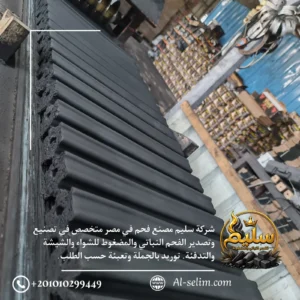
Buyers often ask us how the charcoal they receive is actually produced. In this article we open the factory doors and walk you through each stage of making lump charcoal and compressed shisha charcoal, using the real figures from our production lines.
- Lump charcoal is carbonized in a large dedicated kiln with a 20-ton capacity; each cycle takes 6 days.
- Compressed charcoal is ground in a dedicated automatic mill before mixing and pressing.
- The binder is starch combined with natural, non-chemical ingredients in our own formula.
- The dryer handles 10 tons per day with 12 hours of uniform drying.
- Moisture drops below 1% as the product leaves the dryer.
Step 1: Making lump charcoal (carbonization)
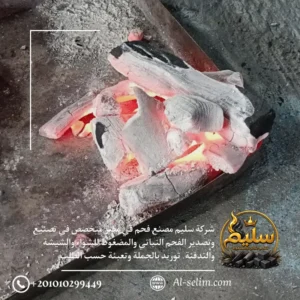
Lump charcoal is made from wood through carbonization: the wood is heated in a closed kiln with limited air, which drives off water and volatile compounds and leaves mostly carbon. That is what gives charcoal its long burn and high heat.
- The kiln: we use a large dedicated kiln with a capacity of 20 tons per batch.
- Cycle time: carbonization takes 6 days, enough for the wood to carbonize properly and cool down before unloading.
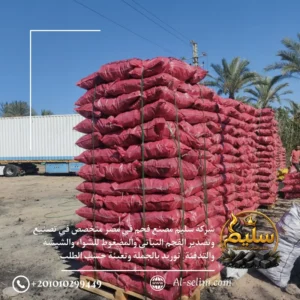
- After carbonization: the charcoal is sorted and bagged by type and size.
This is where our citrus charcoal, casuarina charcoal and mixed charcoal come from.
Step 2: Grinding in an automatic mill
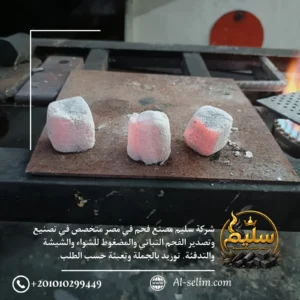
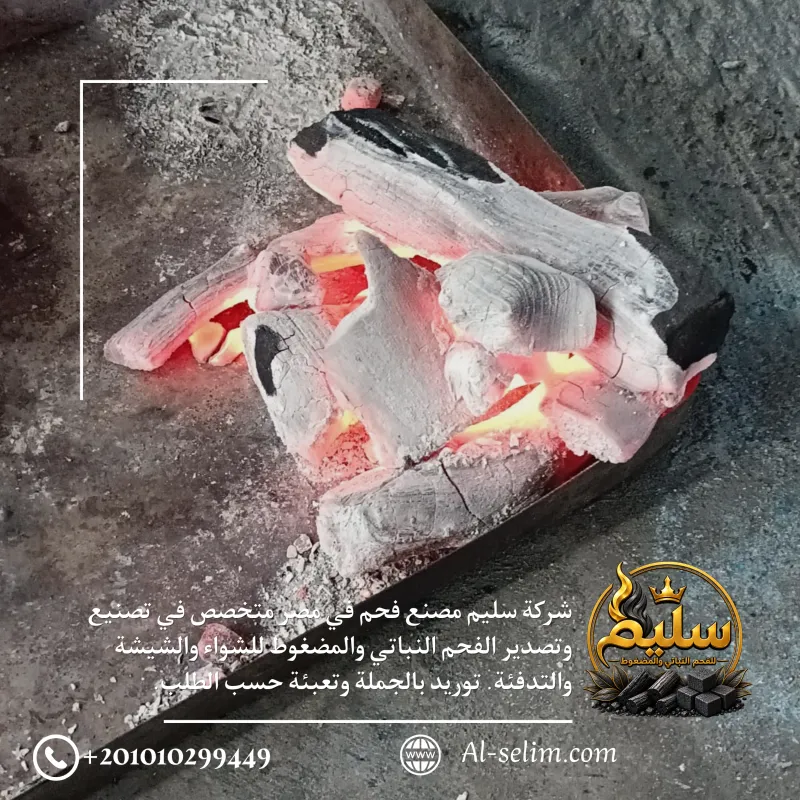
Compressed charcoal, meaning shisha cubes and hexagonal briquettes, starts from carbonized raw material that is ground in a dedicated automatic mill. Consistent grinding produces a uniform powder, which is the basis of a solid briquette that burns evenly from start to finish. Sizes and specifications are detailed in compressed coconut charcoal: specifications and sizes.
Step 3: Mixing and the binder
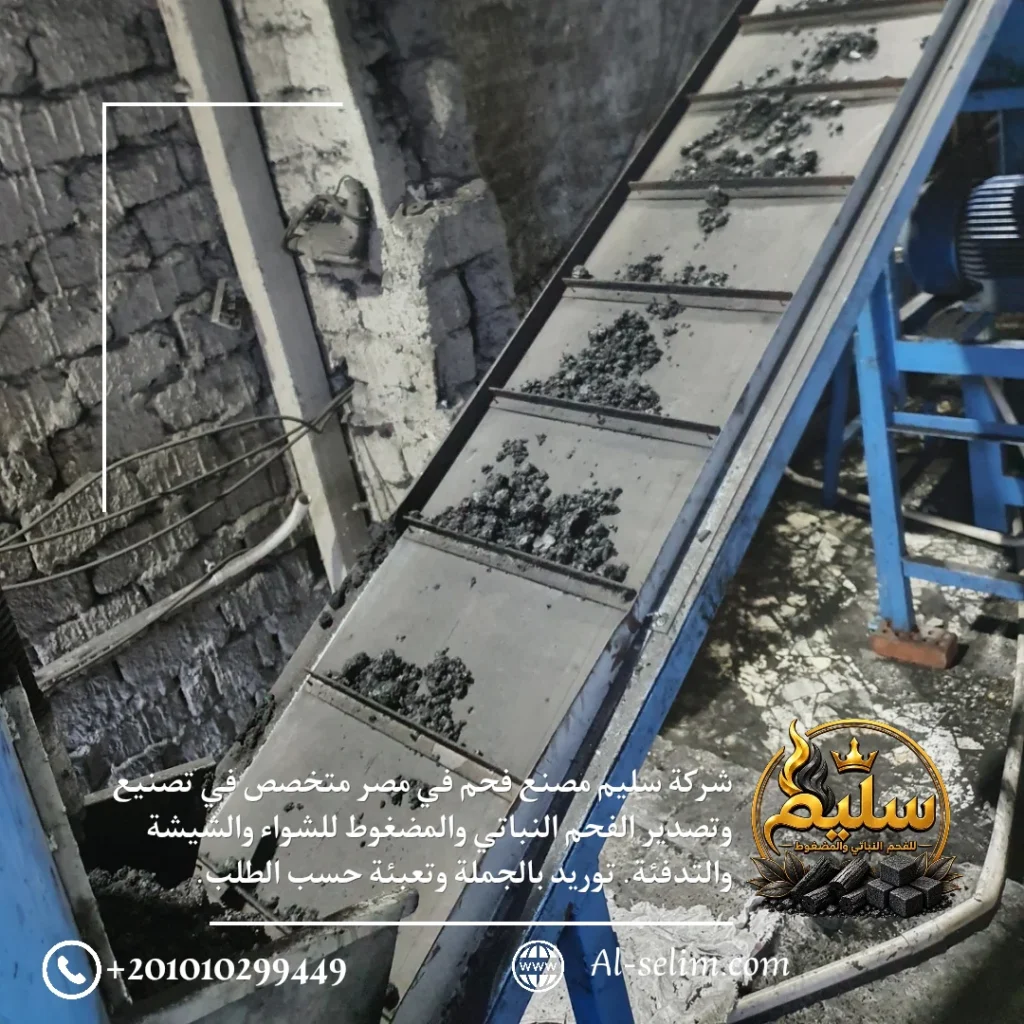
The powder is mixed with a binder so the briquette holds together after pressing. Our binder is starch combined with natural, non-chemical ingredients in a formula developed at the factory. This keeps the charcoal suitable for shisha and grilling without chemical additives.
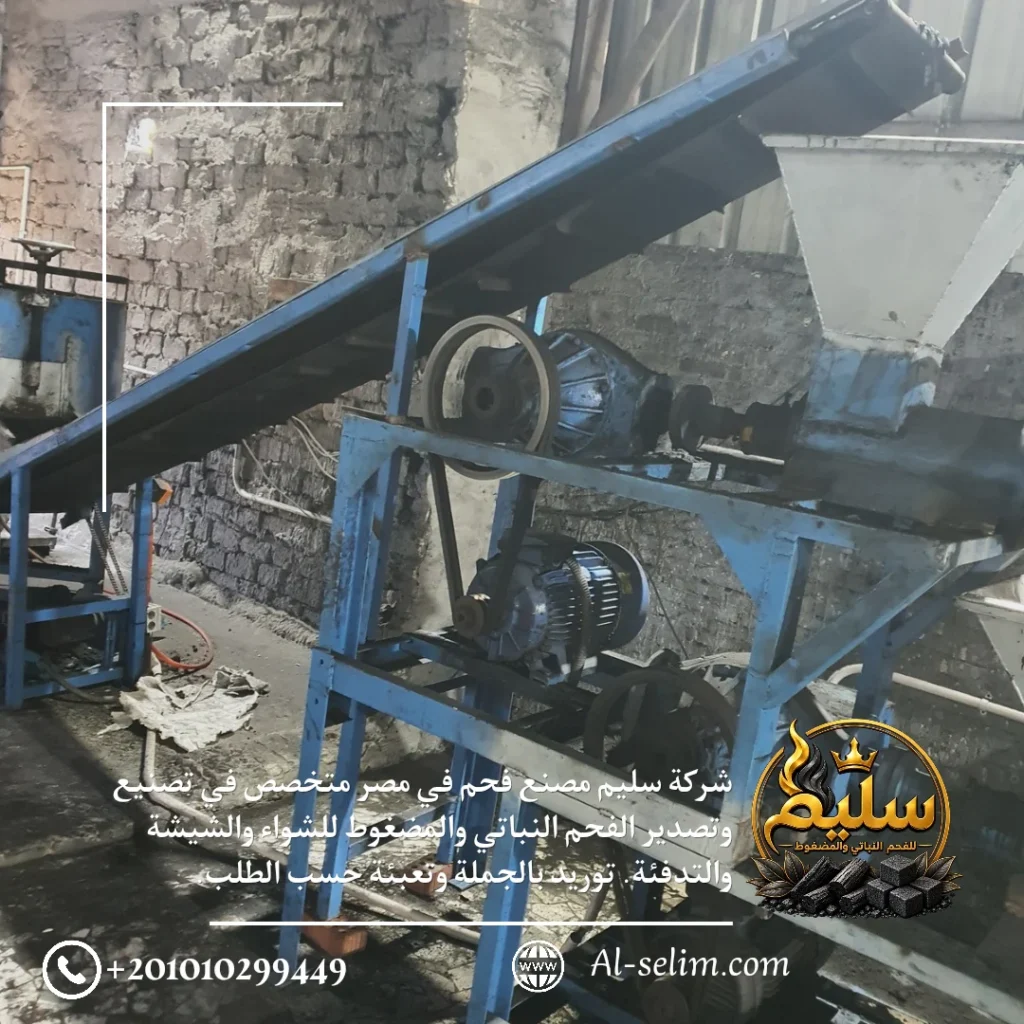
Step 4: Pressing and cutting
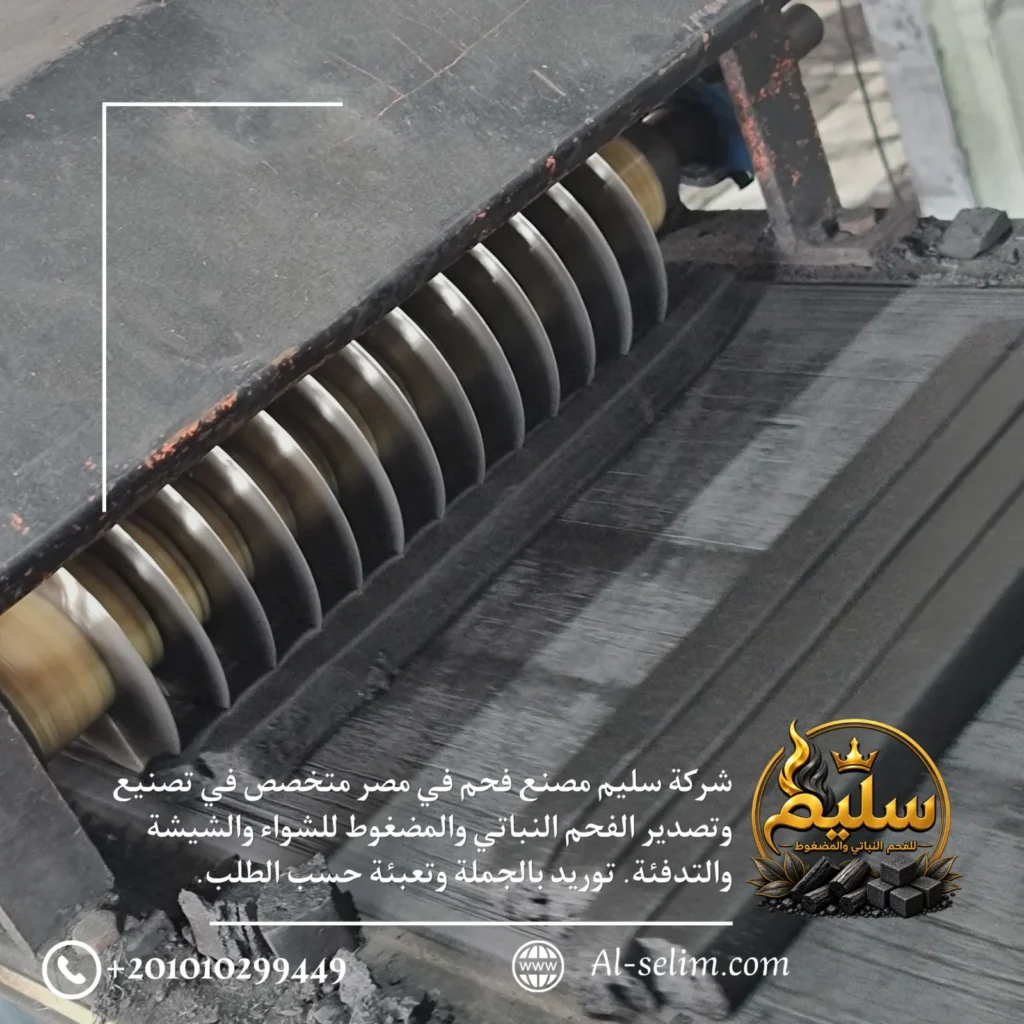
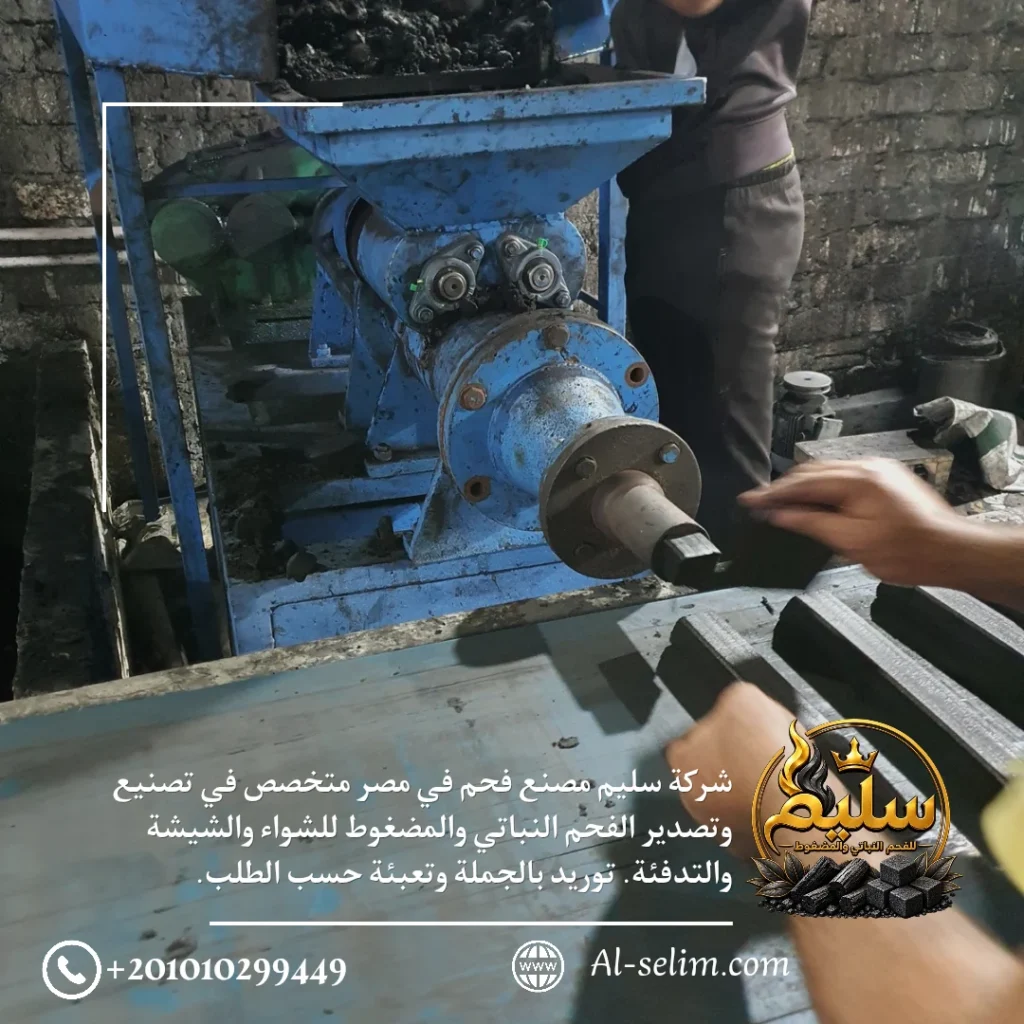
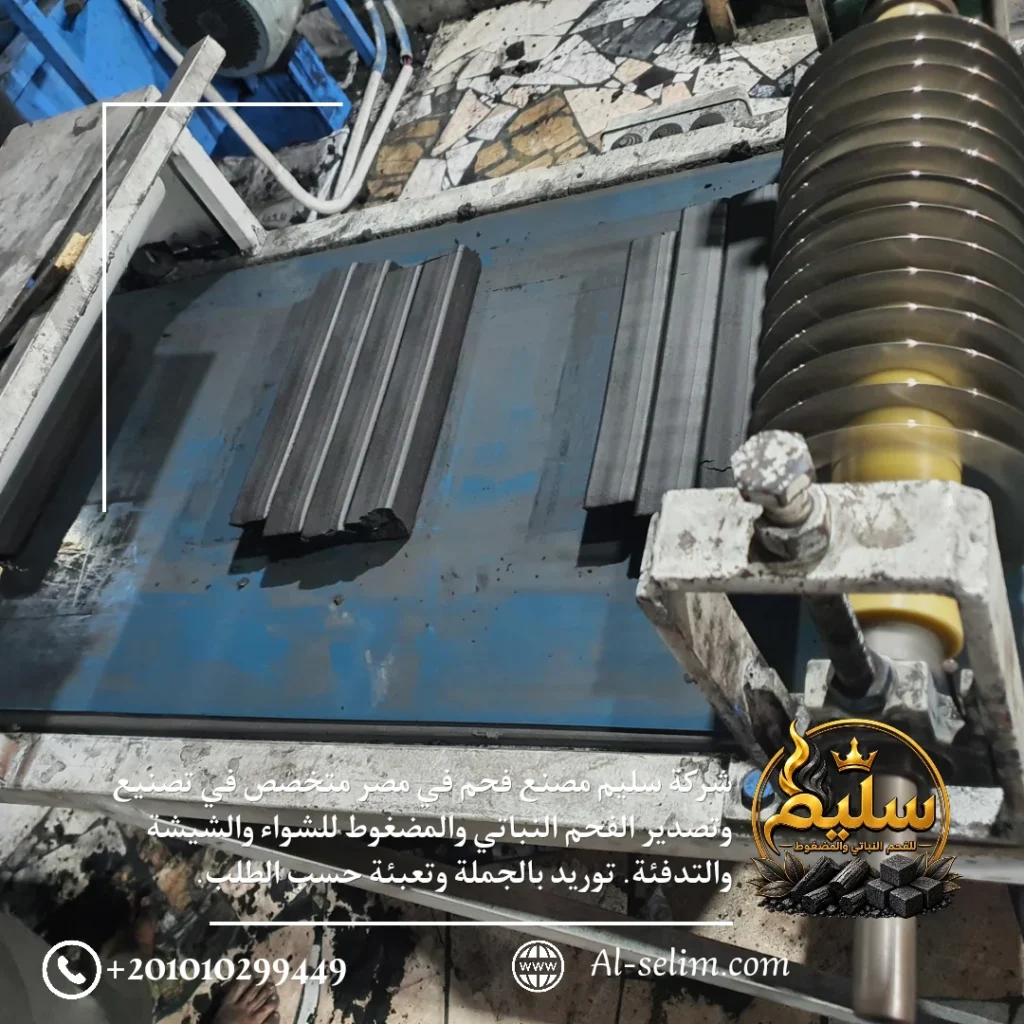
The mix goes into the extruder and comes out in the required profile, cubes or hexagonal sticks, and is then cut to size. For cubes we produce sizes such as 25 mm and 27 mm, the latter being the standard size for Europe and Germany.
Step 5: Drying
This is one of the most important quality stages. After pressing, the pieces go into a dryer with a capacity of 10 tons per day for 12 hours of uniform drying. As a result, moisture is below 1% when the product leaves the dryer, which gives a firm briquette that lights easily without smoke or sparking.
The charcoal is then packed in closed packaging to keep it dry. To keep it that way after delivery, read our guide to storing charcoal and protecting it from moisture.
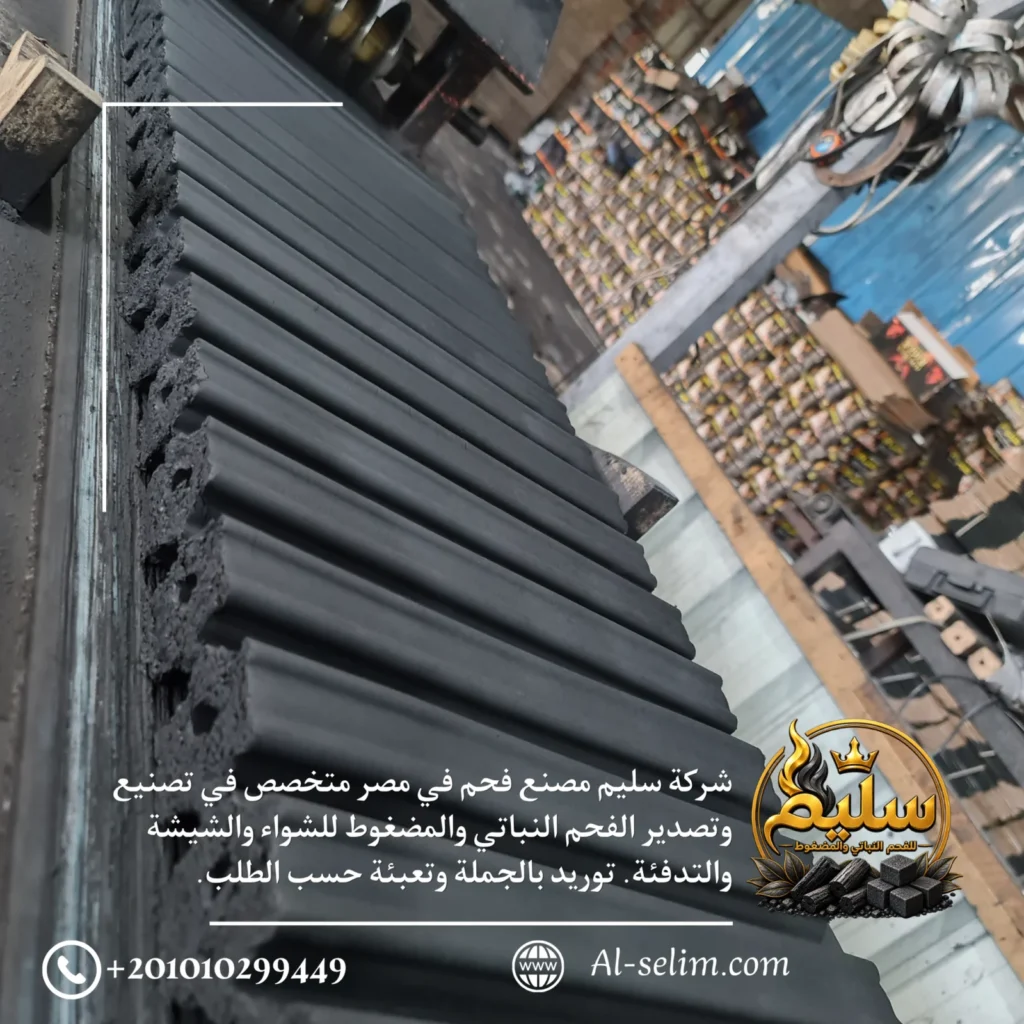
Step 6: Inspection, packing and loading
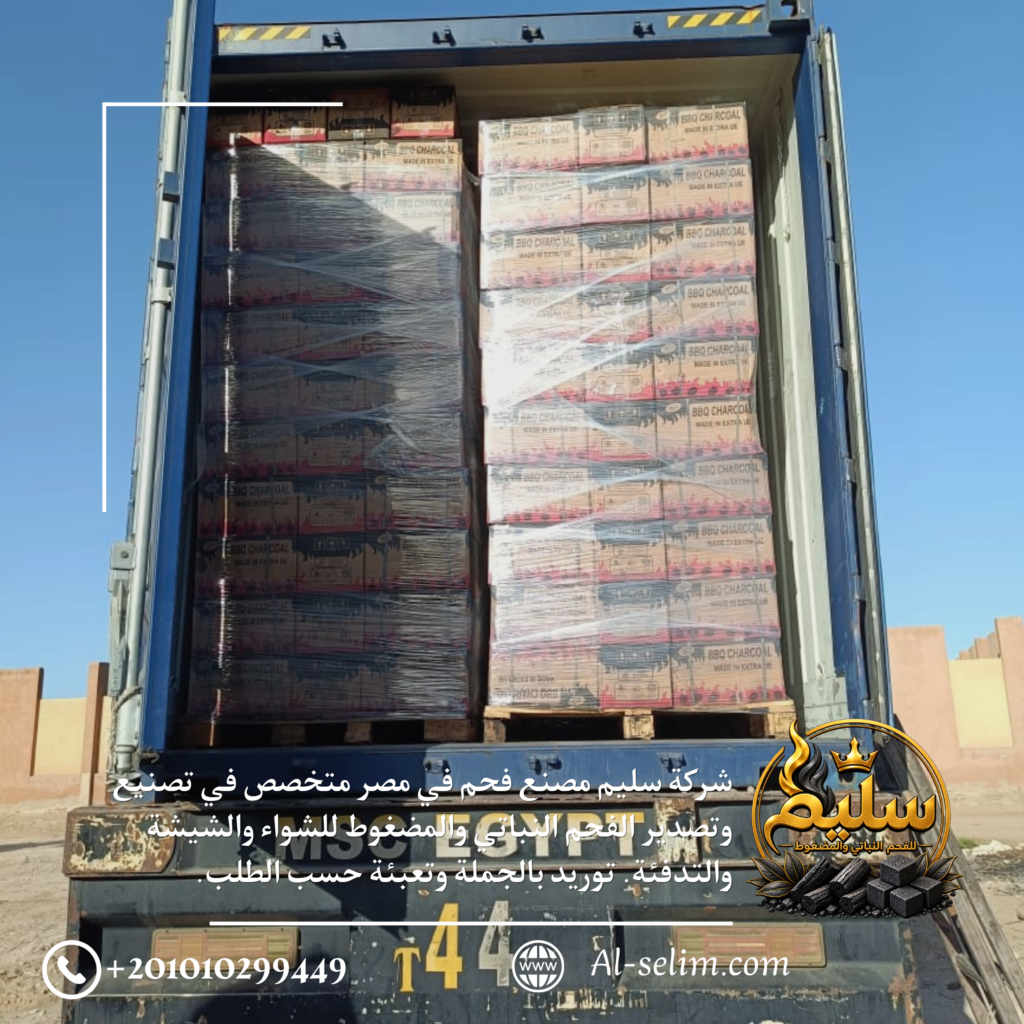
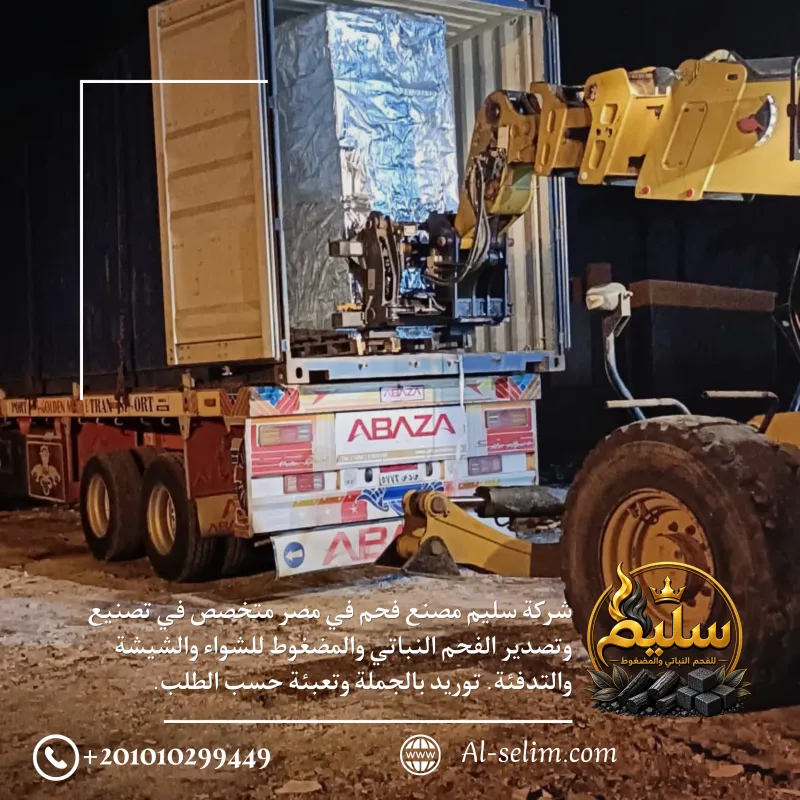
The product is inspected before packing and then packed to the customer’s order: 10 kg cartons for shisha charcoal, or bags for lump charcoal and firewood. Private label packing is also available. See the options on our packaging page.
What about firewood?
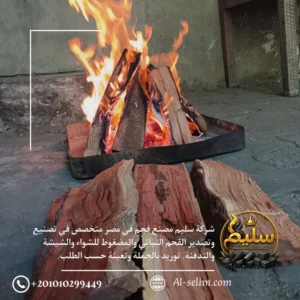
Firewood is not carbonized. We supply acacia and olive firewood split cut: the log is split lengthwise into pieces, which helps the wood dry faster and burn better than round cuts.
The process at a glance
- Carbonization20-ton kiln, 6-day cycle for lump charcoal.
- GrindingDedicated automatic mill for compressed charcoal.
- BindingStarch plus natural, non-chemical ingredients.
- Pressing and cuttingCubes or hexagonal briquettes cut to size.
- Drying10 t/day, 12 hours, under 1% moisture leaving the dryer.
- PackingClosed packaging and container loading.
Want to visit the factory or request a sample?
Tell us the charcoal type and quantity you need, and we will arrange a sample or a visit to our factory in New Damietta.
Charcoal production FAQ
How long does carbonization take?
At our factory, a lump charcoal carbonization cycle takes 6 days in a kiln with a 20-ton capacity.
Does compressed charcoal contain chemicals?
No. The binder is starch combined with natural, non-chemical ingredients in our own formula.
What is the moisture content of compressed charcoal?
After 12 hours of uniform drying, moisture is below 1% as the product leaves the dryer. It is then packed in closed packaging.
Can I visit the factory?
Yes, contact us to arrange a visit. Learn more on our factory page.